India Forgrave
Financial Content Specialist at Suits Me
Updated 23 September 2026.
So, starting a new job, picking up more hours or working full-time doesn’t automatically mean saying goodbye to your PIP.
Why? Because PIP works a little differently from some other benefits. It isn’t based on how much you earn or whether you have a job. Instead, it looks at how a long-term health condition or disability affects your daily living and mobility.
Here’s everything you need to know about claiming PIP while working.

How Many Hours Can You Work on PIP?
There’s no set limit on the number of hours you can work while receiving PIP.
You could work:
- Full-time
- Part-time
- Flexible hours
- As a self-employed person
So, working more hours doesn’t automatically mean you’ll lose your PIP.
The important part is that PIP looks at how your condition affects your daily life and mobility, rather than simply looking at how many hours you’re able to work.
Can You Work Full-Time and Get PIP?
Yes. You can work full-time and still receive PIP if you continue to meet their requirements.
PIP recognises that being able to work doesn’t automatically mean that a health condition or disability no longer affects other parts of your life.
For example, someone may be able to work with adjustments or support while still experiencing difficulties with everyday activities or simply getting around.
And the same applies if you work part-time.
Does Working Affect PIP?
Your wages don’t directly affect your PIP because PIP isn’t means-tested.
This means your salary isn’t used to calculate how much PIP you can receive.
But- there is an important difference between your employment changing and your needs or circumstances changing.
Starting a job by itself doesn’t automatically trigger a PIP review. But if there’s a relevant change in how your condition affects your daily living or mobility, you should tell the Department for Work and Pensions (DWP) as they may need a further review.
In short: earning more money doesn’t automatically reduce your PIP, but changes to your circumstances can affect what you can claim.
Did you know?
5,770 Suits Me® customers have received PIP payments into their accounts so far in 2026.
Need somewhere to receive your PIP? Suits Me® is an alternative to a traditional bank account, with no credit checks to open an account. You’ll get your own UK sort code and account number to receive eligible DWP payments.
Find out about receiving DWP payments
*Based on Suits Me® internal payment data for customers identified as receiving PIP payments between 1 January and 1st October 2026.
Can You Get PIP and Universal Credit at the Same Time?
Yes, you may be able to receive PIP and Universal Credit at the same time.
Why? Because the two systems work differently. Here’s the main changes:
PIP is based on how your health condition or disability affects your daily living and mobility.
Universal Credit helps with living costs and can be affected by things such as your household income, earnings and savings.
So, receiving PIP doesn’t automatically mean you’ll qualify for Universal Credit, and vice versa. You’ll need to meet the eligibility requirements for each benefit separately- it’s worth looking this up to see if you meet these first before simply assuming.
Can You Work While Getting PIP and Universal Credit?
Yes. You can work while receiving both PIP and Universal Credit.
But here’s the important part. Your wages don’t directly reduce your PIP. However, your earnings can affect how much Universal Credit you receive.
There isn’t a single maximum number of hours you can work while receiving Universal Credit. Instead, the amount you receive can change as your earnings change.
Some people may also qualify for a work allowance, which allows them to earn a certain amount before their Universal Credit starts to reduce.
Can You Get PIP if You Have Savings?
Yes. Having savings doesn’t directly affect your PIP.
As we covered earlier, PIP isn’t means-tested, so your income and savings aren’t used to calculate your amount.
This makes it different from Universal Credit, where savings and other money can affect your eligibility and how much you receive.
Do I Need to Tell PIP if I Start Working?
Starting a job doesn’t automatically mean your PIP will change or stop.
But, it’s a good idea to tell the DWP about any relevant changes in your circumstances, particularly if there has been a change in how your condition affects your daily living or mobility.
If you’re unsure whether a change needs to be reported, check the latest guidance on GOV.UK.
How Do You Receive PIP Payments?
PIP is usually paid every four weeks into an account.
If you’re applying for PIP or already receive it, it’s important to make sure the DWP has the correct account details for your payments to land.
And if you don’t have a traditional bank account or are struggling to get one, there are alternatives available.
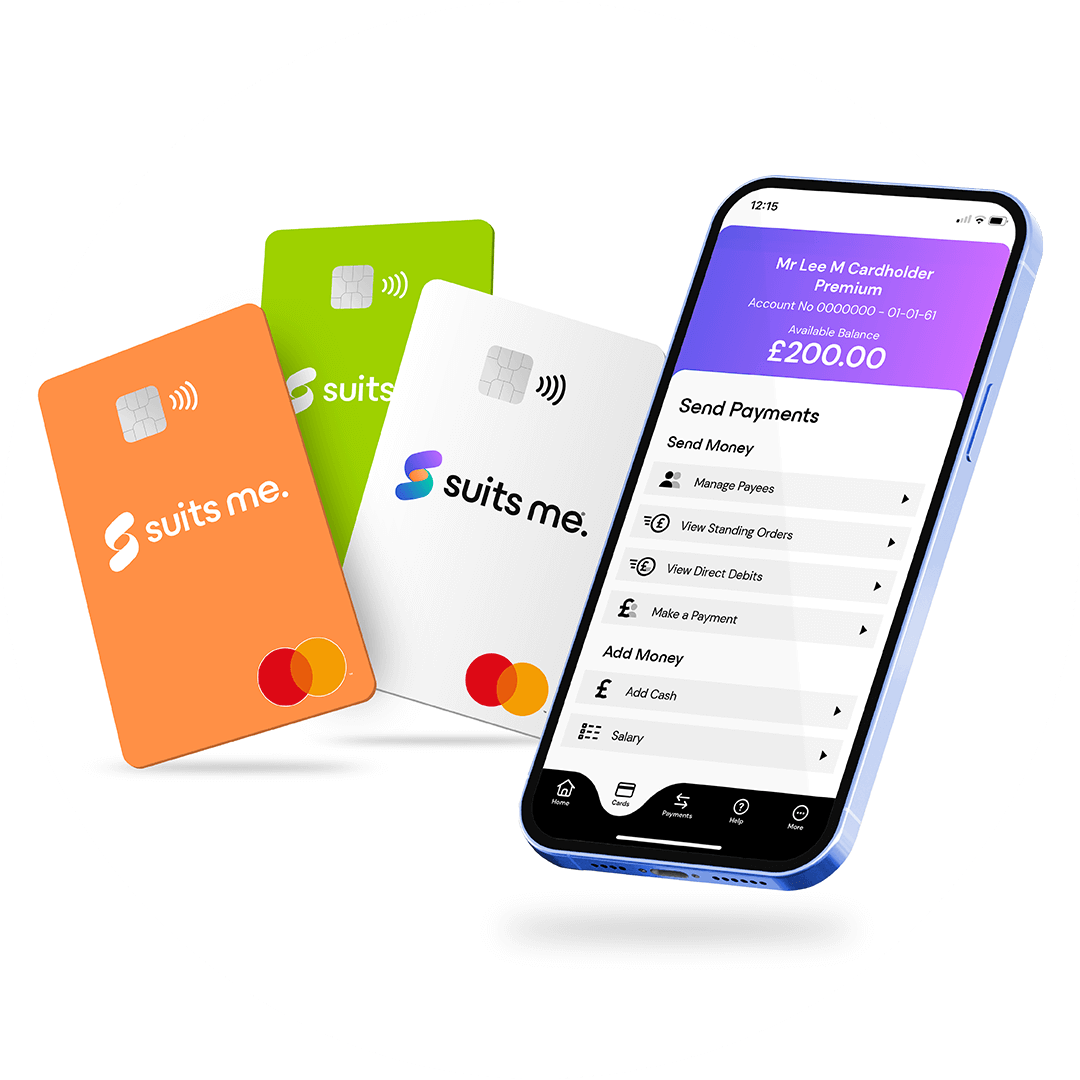
A Suits Me® personal account gives you your own UK sort code and account number, which can be used to receive eligible DWP payments- all without any credit checks.
You can then manage your money through your Suits Me account and access it using your Mastercard® debit card.
PIP FAQs
Will I lose PIP if I start working?
Not automatically. You can work and receive PIP as long as you continue to meet the eligibility requirements. PIP is based on how your condition affects your daily living and mobility rather than whether you have a job.
How many hours can I work while receiving PIP?
There’s no set limit. You can work full-time, part-time, flexible hours or be self-employed while receiving PIP.
Can I work 40 hours a week and claim PIP?
Yes. PIP doesn’t have a maximum number of working hours. Your eligibility depends on how your condition affects your daily living and mobility.
Can I get PIP if I work full-time?
Yes. Working full-time doesn’t automatically prevent you from receiving PIP. You’ll still need to meet the PIP eligibility requirements.
Does getting a pay rise affect PIP?
A pay rise doesn’t directly change your PIP because the benefit isn’t means-tested. However, increased earnings could affect other means-tested benefits you receive, such as Universal Credit.
Does starting work automatically trigger a PIP review?
No. Starting work by itself doesn’t automatically trigger a PIP review. You should still tell the DWP about relevant changes in your circumstances, particularly changes to how your condition affects you.
The information in this article is for general informational and educational purposes only and shouldn’t be considered financial, legal, tax or benefits advice. Benefit rules and individual circumstances can change. Check GOV.UK or seek independent professional advice if you’re unsure how the rules apply to you.