India Forgrave
Financial Content Specialist at Suits Me
Updated 7th October 2026.
In this blog, we explain how the PIP eligibility criteria works and answer some of the most common questions about claiming PIP for specific conditions- so you can find out whether you’re entitled and how you can start claiming.
What Conditions Can You Claim PIP For?
You can potentially claim PIP for any long-term physical or mental health condition or disability if it affects your ability to carry out certain everyday activities or get around.
The DWP looks at how your condition affects activities such as:
- Preparing and eating food
- Washing and dressing
- Managing medication or treatment
- Communicating
- Mixing with other people
- Managing money
- Planning and following journeys
- Moving around
PIP eligibility considers how your conditions affect you overall, rather than simply what condition you have.
Can I Get PIP for Type 2 Diabetes?
You may be able to get PIP for Type 2 diabetes, but having diabetes alone doesn’t automatically qualify you.
Being able to claim PIP depends on how diabetes affects your daily life and whether you need help with any of the activities considered in a PIP criteria we spoke about above.
Here’s an example: maybe you have difficulties managing treatment or monitoring your condition, impacting your ability to do other daily tasks.
So, your individual circumstances are what determine whether you qualify.
Can I Claim PIP for Arthritis?
Yes, you may be able to claim PIP for arthritis if it affects your daily living or mobility.
For many people, arthritis can make it difficult to:
- Prepare food
- Wash or dress
- Move around
- Complete everyday activities safely
The DWP will consider the level of difficulty you experience and the support you need, rather than awarding PIP simply because you’ve been diagnosed with arthritis.
Can You Claim PIP for IBS?
You may be able to claim PIP for IBS if your condition affects your daily living enough to meet the PIP criteria.
Many people assume that Irritable Bowel Syndrome (IBS) isn’t considered a serious health condition.
But, you may be able to receive PIP for IBS if your symptoms affect the specific daily living and mobility activities covered by the PIP assessment. For example, people with IBS may experience anxieties leaving the house for long amounts of time, or flare ups that can impact mobility.
Did you know?
5,770 Suits Me® customers have received PIP payments into their accounts so far in 2026.
Need somewhere to receive your PIP? Suits Me® is an alternative to a traditional bank account, with no credit checks to open an account. You’ll get your own UK sort code and account number to receive eligible DWP payments.
Find out about receiving DWP payments
*Based on Suits Me® internal payment data for customers identified as receiving PIP payments between 1 January and 1st October 2026.
Does ADHD Qualify for PIP?
ADHD may qualify for PIP, but a diagnosis alone doesn’t guarantee an award.
Many people don’t realise PIP can cover mental health conditions, learning disabilities and neurodevelopmental conditions as well as physical conditions.
If you have ADHD, the DWP will look at how it affects the activities included in the PIP assessment.
For example, people with ADHD may experience difficulties with managing treatment, communicating, interacting with other people or managing money.
Can You Get PIP for a Mental Health Condition?
Yes. You can potentially receive PIP for a mental health condition.
As we discussed, PIP isn’t only for physical disabilities.
A mental health condition could affect areas such as your ability to:
- Mix with other people
- Communicate
- Manage money
- Prepare food
- Plan and follow a journey
As with physical conditions, your diagnosis alone doesn’t determine whether you’ll receive PIP. The DWP considers how your condition affects you.

Can You Get PIP for More Than One Condition?
Yes. You can claim PIP if you have more than one health condition or disability.
And importantly: you don’t receive a separate PIP award for each condition.
Instead, the DWP considers how all of your conditions affect your ability to complete the activities included in the PIP assessment.
For example, you might have a physical condition that affects your mobility alongside a mental health condition that affects other parts of your daily life.
How Does the DWP Decide if You Qualify for PIP?
PIP looks at two different parts :
- Daily living – if you need help with everyday activities
- Mobility – if you need help getting around
During the assessment process, the DWP considers a number of activities within these areas.
You can receive points depending on how much difficulty you have completing an activity. Your total points determine whether you qualify for the standard or enhanced rate of each part.
This means you could qualify for daily living, mobility or both.
You can also work while receiving PIP, as it’s not a means-tested benefit. If you’re currently employed or thinking about returning to work, understanding whether you can work while claiming PIP can help you understand how employment affects your benefits.
How Long Do You Need to Have a Condition to Claim PIP?
PIP is designed to support people with long-term health conditions and disabilities.
Typically, your difficulties must have affected you for at least three months and be expected to continue for at least another nine months.
Although, different rules can apply if you’re nearing the end of life.
Need an Account for Your PIP Payments?
If you’re awarded PIP, it’s usually paid every four weeks into an account. But what if you don’t have an account to receive it into?
That’s where Suits Me can help.
If you’ve struggled to open a traditional account, a Suits Me personal account offers an alternative, giving you the account details and everyday features you need to receive and manage your money.
With Suits Me®, you’ll get:
✓ Your own UK sort code and account number
✓ Receive eligible DWP benefit payments directly into your account
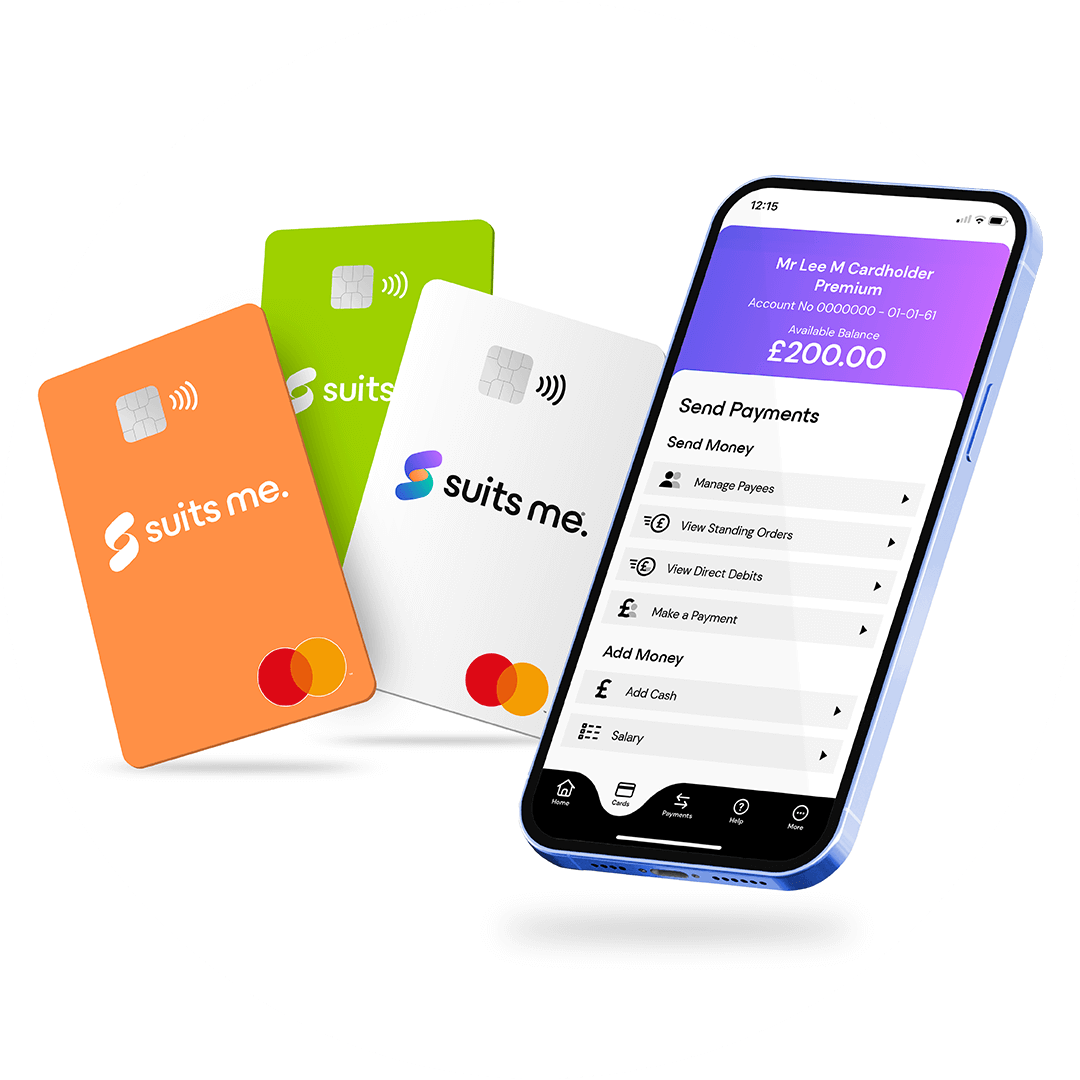
✓ A Mastercard® debit card for everyday spending
✓ Online and mobile app access to manage your money
✓ No credit checks to open an account
So, whether you’re applying for PIP for the first time or simply need somewhere to receive your payments, you can get set up with Suits Me.
Find out more about receiving and managing DWP benefit payments with Suits Me.
PIP FAQs
What illnesses qualify for PIP?
There isn’t a set list. You may qualify if a long-term physical or mental health condition affects your daily living or mobility enough to meet the PIP criteria.
Can you get PIP for mental health?
Yes. PIP can be awarded for the effects of mental health conditions as well as physical health conditions.
Can I claim PIP for more than one condition?
Yes. If you have multiple conditions, the DWP considers how they affect you overall when assessing your PIP claim.
Do I need proof to claim PIP?
Yes. When you claim PIP, you’ll usually need to provide information about how your health condition or disability affects your daily life. You may also be asked for supporting evidence, such as letters or reports from healthcare professionals, a list of medications or details of treatment you receive.
The evidence needed will depend on your individual circumstances, and you may also be asked to complete an assessment as part of your claim.
Does getting a pay rise affect PIP?
A pay rise doesn’t directly change your PIP because the benefit isn’t means-tested. However, increased earnings could affect other means-tested benefits you receive, such as Universal Credit.
The information in this article is for general informational and educational purposes only and shouldn’t be considered financial, legal, tax or benefits advice. Benefit rules and individual circumstances can change. Check GOV.UK or seek independent professional advice if you’re unsure how the rules apply to you.