If you’re struggling with debt or keeping up with payments, you’re not alone and there’s no shame in looking for help. Money worries affect millions of people across the UK, especially with rising living costs, unexpected bills and financial pressure.
In this guide, we’ll explain what money worries are, how they can affect your life, and practical steps you can take today to feel more in control. We’ll also share how Suits Me can support people who feel excluded from traditional banking including those with poor credit history or who are new to the UK.

What do we mean by money worries?
Money worries refer to the stress, anxiety or fear people feel when they’re struggling to meet financial demands. This could include:
- worrying about paying bills or rent
- managing debt repayments
- covering day-to-day expenses like food and travel
- dealing with unexpected costs
Common triggers include:
- job loss or reduced income
- rising living costs
- unexpected expenses (car repairs, childcare, medical costs)
- debt building up over time
- not having savings to fall back on
Recognising that you’re experiencing money worries is the first step toward managing them and you’re already doing the right thing by looking for support.
How money worries can impact your life
Money worries don’t just stay in your bank account they can affect your wellbeing, relationships and ability to plan for the future.
Emotional effects of money worries
- feeling anxious, overwhelmed or constantly on edge
- sleepless nights thinking about bills
- low mood, low confidence or feelings of shame
- difficulty focusing at work or in daily life
Practical effects of money worries
- missed bills or late payments (leading to fees or penalties)
- increasing debt from borrowing, overdrafts or payday loans
- relying on friends or family for help (which can strain relationships)
- difficulty saving or planning for the future
The good news is: there are practical steps you can take to reduce the pressure and start regaining control.
7 practical ways to deal with money worries
1) Make a budget you can stick to
Start by writing down:
- your total income (wages, benefits, support payments)
- your essential spending (rent, utilities, food, travel)
- your non-essential spending (subscriptions, takeaways, shopping)
This helps you see exactly where your money goes and identify areas to cut back, even in small ways.
Tip: A “realistic budget” is better than a perfect one. If it’s too strict, it won’t last.
2) Prioritise your bills and essential expenses
If you can’t cover everything, focus on essentials first:
- rent or mortgage
- gas, electricity and water
- council tax
- food and travel
If you’re behind on other payments, contact creditors early many will offer temporary support such as payment plans, breathing space or reduced payments.
3) Look for small savings that add up
You don’t need to make huge changes overnight. Try:
- cancelling unused subscriptions
- switching to cheaper phone/internet plans
- comparing energy providers (when possible)
- planning low-cost meals
- reducing impulse spending by waiting 24 hours before buying
Even saving £5–£10 per week can make a difference over time.
4) Avoid payday loans and high-interest borrowing
Payday loans and high-interest credit can quickly trap you in a cycle of debt. If you’re struggling, it’s usually better to seek free debt advice before borrowing more.
If you’re dealing with debt already, you may find this guide helpful: How to get out of debt
5) Seek free financial and debt advice
You don’t have to handle money worries alone. Free UK services can help you:
- understand your options
- create a debt management plan
- deal with creditors
- check benefits eligibility
Trusted organisations include:
- StepChange
- MoneyHelper
- Citizens Advice
- National Debtline
These services are confidential and free.
6) Talk to someone you trust
Money worries can feel isolating — but speaking to a trusted friend or family member can reduce the emotional burden.
Even if they can’t help financially, they may help you:
- make a plan
- find support services
- feel less alone
7) Consider switching to a Suits Me account
Many people feel unsupported by high-street banks especially if they have poor credit history, are new to the UK, or want to avoid overdraft fees.
A Suits Me account can help you manage your money more confidently because:
- no credit checks are required
- there’s no overdraft, so no overdraft fees
- you can only spend what you load onto the account, making budgeting easier
How Suits Me can help you manage money worries
We believe banking should be accessible to everyone even if you’ve been turned away elsewhere.
A Suits Me account helps you stay in control with straightforward money management:
- No overdraft fees
- No surprise interest charges
- Simple spending control (only spend what’s available)
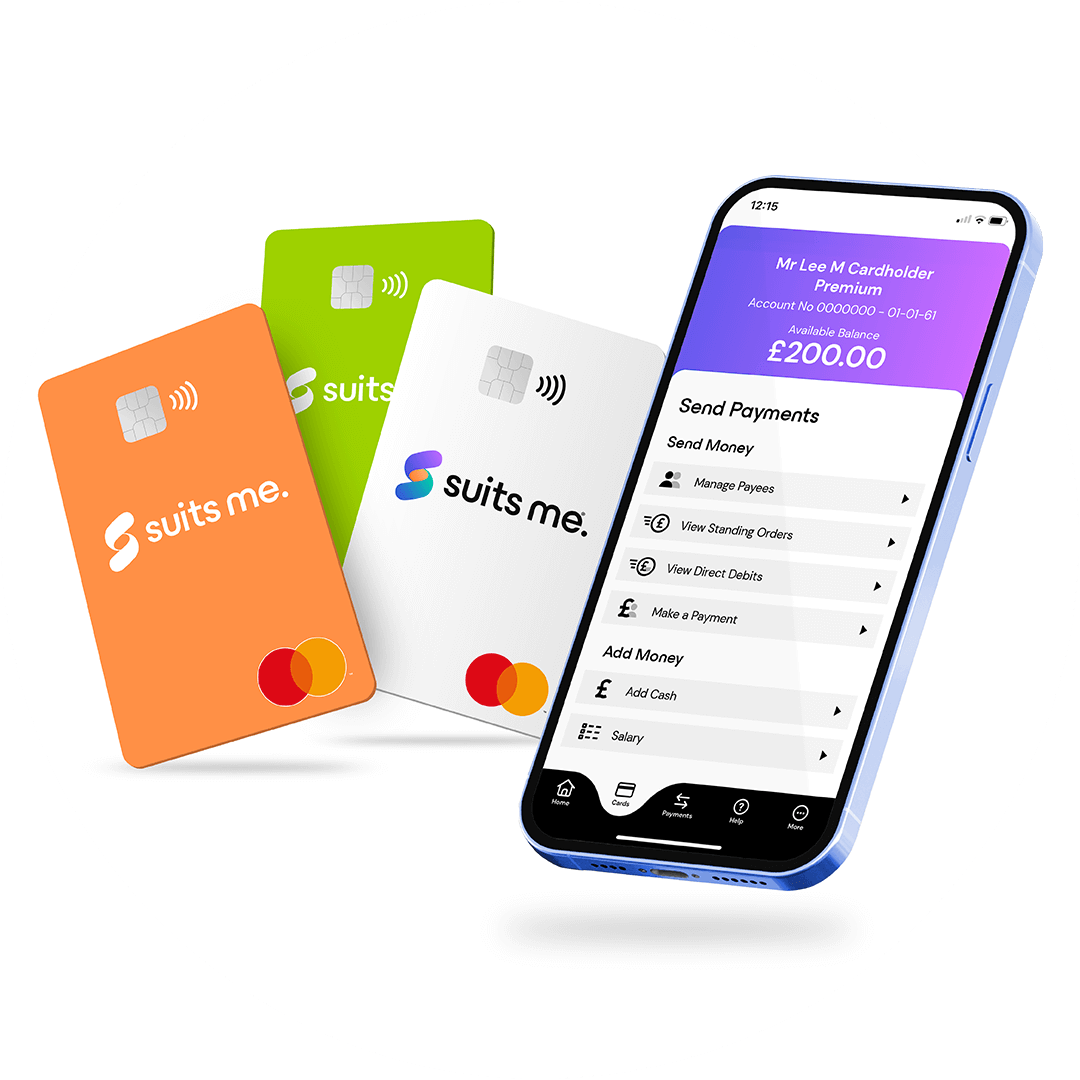
With our mobile app, you can:
- check your balance anytime
- make faster payments
- receive instant notifications when money comes in or goes out
Your security matters. We use modern security technology to help keep your account and personal data safe.
You can also load money onto your account at a local PayPoint store ideal if you prefer cash top-ups.
FAQ
What are money worries?
Money worries are the stress or anxiety caused by financial pressure — such as debt, bills, rent, or day-to-day costs.
How do I stop worrying about money?
Start with small steps: make a budget, prioritise essential bills, seek free advice, and avoid high-interest borrowing. Support is available and you don’t need to handle it alone.
Can bad credit make money worries worse?
Yes, bad credit can limit access to affordable financial products. But you can still take steps to improve your situation and choose banking options that help you stay in control.