Personal finance is to do with the way you handle your money and involves all aspects of financial decision making. Learning practical financial skills is key to leading a healthy lifestyle, one that brings security and removes the stress of worrying about money.
Improving your understanding across the different areas of personal finance including, budgeting, debt management, saving, and in some cases investing, will help you to prosper in your day-to-day life and help to add clarity to any big or small financial decision.
When seeking financial freedom, your personal finance plays a vital role to ensure every aspect of your income is handled well, you’re not overspending, and can afford to make payments without running out of money before payday.
Learn how to improve your finance skills by following these important rules:
#1 Don’t Spend More Than You Make
When your bank balance is looking healthy after payday, it’s easy to overspend and not be as careful. However, there are several issues at play that result in people relying on borrowing money, racking up debt and living way beyond their means. Some reasons include:
Following in your parent’s footsteps – you learn a lot from your parents, including picking up on how they spend their income. If your parents are carefree spenders, then you’ll likely to also follow this notion.
Lack of a budget – the importance of a budget can be widely underestimated but having a plan on how you should distribute your income and earnings is vital to stay in control of your spending and avoid cash flow problems down the line but more on budgeting later.
Fail to prepare, prepare to fail – Sure, living for today is a great mantra to follow but not when it comes to making financial decisions, especially if they’re costly. Preparation is key to ensuring you don’t go overboard and run out of money and ensure you’re covered for what tomorrow may bring.
The issue with spending more than you earn is the nasty side effects you can encounter. If you find that you’re funding your lifestyle by living in debt, it can easily spiral out of control leaving you with more repayments to make and no end in sight.
If you’re tempted to make a purchase that you’re not sure if you can truly afford, check out our blog post on some Questions to Ask Yourself Before Taking on New Debt.
Many Suits Me customers use our accounts as a way of budgeting, transferring funds after payday so they know they have money in a separate account.
#2 Get Out of the Debt Spiral & Stay Out
Official ONS data from 2025 shows millions of UK adults reporting significant financial anxiety and difficulty keeping up with essential bills, a trend that reflects ongoing debt stress.
If you’re struggling to get out of debt, there are some free services – such as Step Change – that can help you to budget your money, apply for a debt relief order (where applicable), and suggest changes that will get you back on track to achieving financial wellbeing.
Here are two different approaches people have taken to reduce their debt.
The Snowball Method
This involves making the minimum payment on all your debts, then paying off the smallest debt first, one at a time. This method encourages motivation as you’ll conquer your repayments a lot faster.
The Avalanche Method
This also involves making the minimum payments on all your debts but then paying off more on the debt with the highest interest rate. For example, if you owed £2,500 on a credit card charging 34% interest and £8,000 on a personal loan at 6%, it would usually make sense to prioritise paying off the credit card first, as the higher interest rate means the debt grows much faster.
For more information on getting out of debt, check out our blog post on 8 Secrets to Dealing with Debt on a Tight Budget where you’ll find some practical steps to take back control of your personal finances.
Once you’re out of the cycle of debt, it’s a lot easier to never get back into that position again – after all, experiencing the financial freedom of a life without debt is totally worth making more than just the minimum payments on all your debts.
#3 Creating an Emergency Fund is a Must!
Around 1 in 6 UK adults have no savings at all. According to a 2025 Financial Conduct Authority analysis, 1 in 10 adults has no cash savings available for emergencies — showing financial vulnerability persists
This is where an emergency fund helps, to prevent any problems when your personal finances are impacted. You should have 3-4 times your monthly salary in savings to cover any large costs or changes to your income.
To get started, we’ve put together a useful blog post with simple steps to help you build a successful emergency fund.
#4 Get Your Budget in Order
Creating a spending plan for your money ensures that you’ll always be able to afford the essentials you need and the things that are important to you. A budget will help to prevent the accumulation of debt, find areas that you can save money and give you back control.
Here are some simple steps that will help you to start (or improve) your budget:
- List your income and all your outgoings – this can include your rent, utilities, food, childcare, gym memberships, and travel expenses and subscriptions.
- Calculate the difference and see exactly how much you have left to spend, this is your disposable income.
- Work out how much of this you want to set aside for luxuries such as eating out, holidays and clothes and how much you can realistically afford to save.
- Make it a habit to check your budget two weeks to make any changes or improvements necessary.
Discover how to create a successful budget if you’re on Universal Credit with our helpful tips and advice.
#5 The 70:20:10 Budgeting Rule
Following on from creating a budget, the 70:20:10 budgeting rule is a simple principle that you can follow to help you figure out how much of your income you can realistically spend, save, and use for debt repayments regardless of the amount you earn or levels of debt. Here’s how it works:
Start by dividing your take-home pay and divide it by 70%, 20% and 10%:
70% is for all your monthly expenses – including all your bills, food, travel expenses.
20% of your income should go towards your savings unless you have pressing debts to repay. These should come first if the below 10% doesn’t cover all your repayments.
10% goes towards tackling any debt repayments you may have by starting with the highest priority.
Of course, this rule is open to adjustment so if you’re looking to pay off more debts or save more, then you will need to change the categories accordingly, so it rounds up to 100%. However, it’s important to remember when it comes to budgeting, the key is to find a solution which works for you and helps you to achieve financial wellbeing.
#6 Always Do Your Research Before Making a Purchase
If you’re looking to make a purchase, of any kind. Remember to browse the internet to see if you can find it cheaper elsewhere.
Recent research shows that around 70% of shoppers compare multiple sources before buying, with search engines guiding initial research for more than 60% of consumers and nearly 7 in 10 Brits reading online reviews before purchase — all underscoring how important research and comparison are in the modern buying journey.
Another way to save money, especially if you’re shopping on a new website, is to sign up to their newsletter. Some companies offer 10% of your first purchase. If you’re a student or key worker for the NHS, a wide range of businesses offer a 10% to 25% discount on your shopping.
Additionally, Suits Me account holders can save money simply by using their Suits Me debit card with our cashback retail partners. Learn more about our exclusive cashback reward programme to see where you can start saving!
#7 Separate Your Emotions from Your Personal Finances
Do you find that you’re spending money to increase your happiness when you feel like you need a pick-me-up? You’re not alone.
Of course, treating yourself to a little treat once in a while isn’t such a terrible thing, but when you’re spending money compulsively to fill a hole then it can lead to some serious financial problems, worsened by the consumerist society we live in.
The first step to tackling this issue is to spot the signs by becoming self-aware of your spending habits when you’re most likely to make an unnecessary purchase, and how you’re feeling.
#8 Maintain or Work on Fixing Your Credit Score
Your credit score shows lenders how likely you are to pay back any money you borrow. Your credit score also determines which interest rates you’ll qualify for. The better your credit score, the more likely it is that you’ll be accepted for credit and at the best rates.
Having a good credit score is vital if you’re looking to apply for a credit card, get a new car on finance, or need a mortgage to buy a house. It does take time to build your credit score and make any improvements so it’s worth getting started early to plan for any future financial goals you may want to achieve.
#9 Stick to a Meal Plan to Maximise Savings
One of the best ways to prevent unnecessary spending is to cut back on food expenses, something with sounds like a chore, but once you’ve found a routine that works for you, you’ll be able to cut back on unnecessary spending, and unnecessary food waste.
In the UK alone, the average Brit spends £451 on roughly 34 takeaways a year, a figure which is increasing year after year according to a survey conducted by KMPG accountants.
A meal plan can be a handy tool that allows you to know exactly what ingredients you will need for the week to avoid pointless purchases and prevent you from ordering that pizza when you just don’t have any cooking inspiration.
Are you feeling hungry? Before you head to the shop check out our blog post on 5 Ways to Save Money on Food to reduce the size of your grocery bill.
Can an Additional Account Help Improve Your Personal Finance?
Yes, having more than one account can help you budget and plan better.
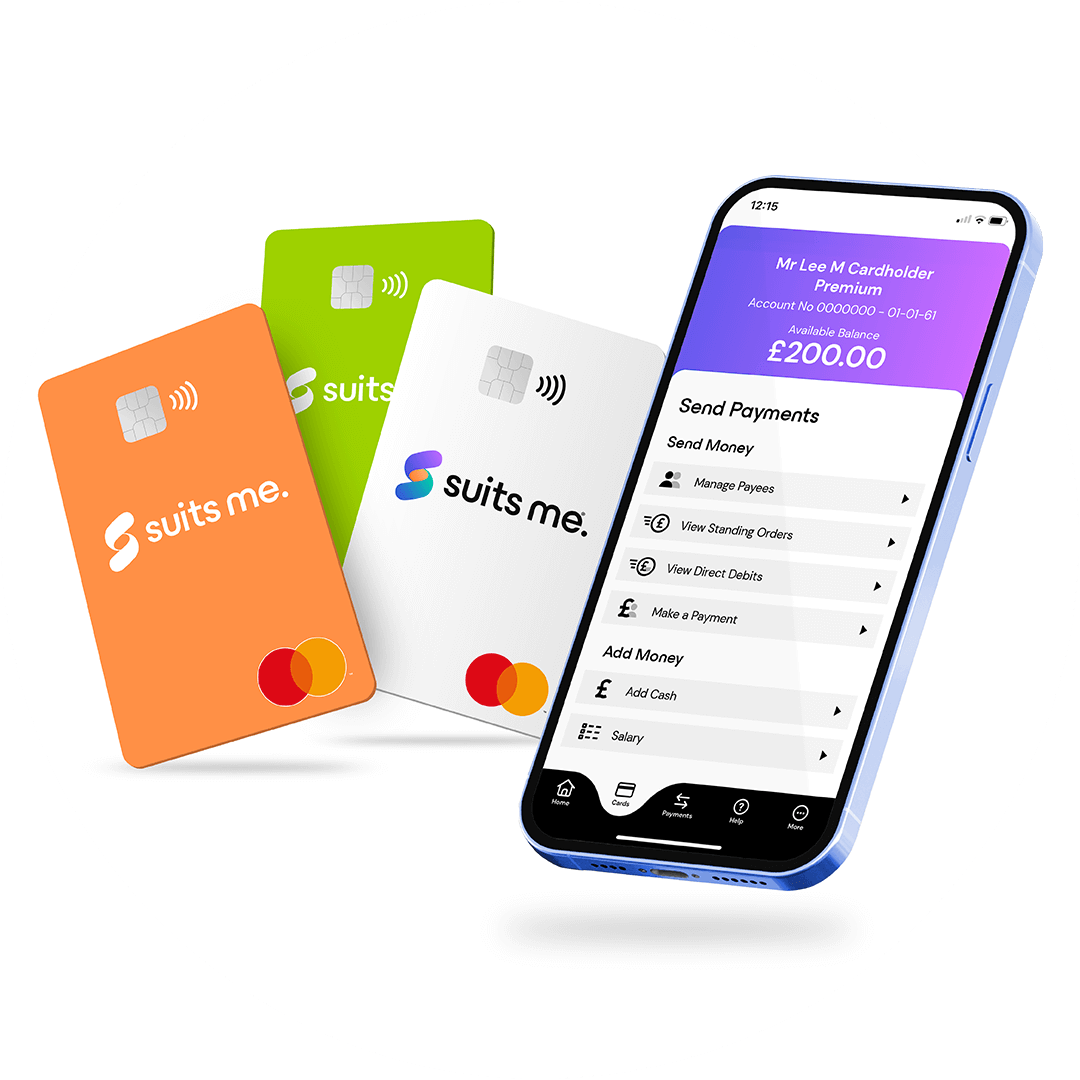
Here at Suits Me, we offer personal accounts which work similarly to a traditional bank account without credit checks. You’ll gain access to an online account and our mobile app, where you’ll be able to manage your money on the go, 24/7.
We offer a whole variety of banking-like features including:
- The ability to set up standing orders and manage direct debits,
- Send money within the UK via a transfer, international transfers are available via a partner in the Suits Me app,
- Gain access to our exclusive cashback reward programme where you’ll automatically get a percentage of your money back when you use your Suits Me debit card with our retail partners.
Opening a Suits Me account takes 3 minutes and you’ll gain access to your online account immediately so you can start managing your money. We don’t ask for proof of address or run a credit check. We have a high acceptance rate of applicants – so if you’re looking for a a way to get smarter with your money, apply now.