Having a bad credit rating can be frustrating as it severely restricts your access to certain financial products and forces you to accept higher rates of interest for the products you are accepted for.
What is my Credit Report?
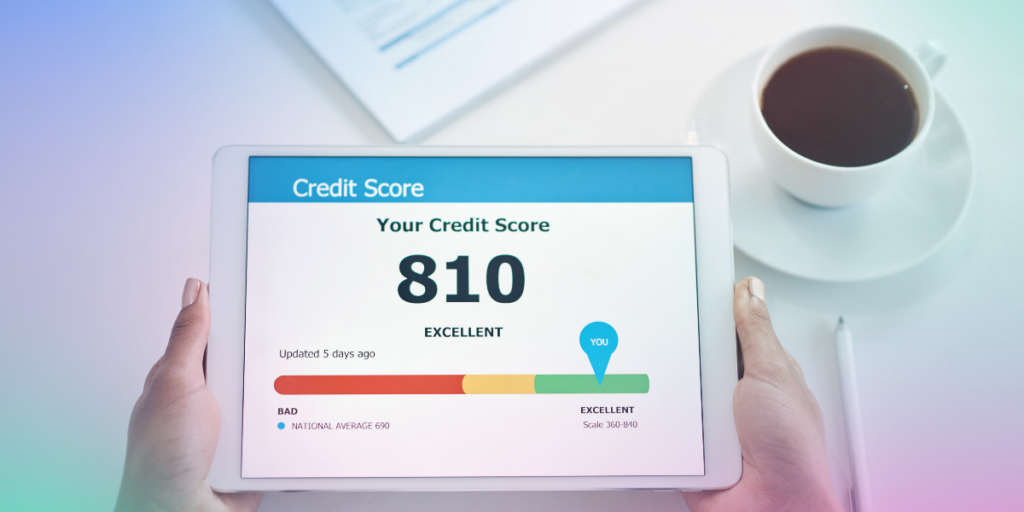
When you apply for credit, the lender will use a credit referencing agency to assess your suitability and risk. The agency will look at how you have repaid debts in the past when it comes to paying off credit and will come up with a score which will reflect that.
If you have a low credit score or a bad history of credit, then loans, credit cards and mortgages offered at lower rates by mainstream lenders may not be available to you. However, instead of just accepting that as the way things are for you, there are a number of things you can do to boost your credit rating.
How To Check Credit Rating
You can check your credit rating for free by using one of the UK’s main credit reference agencies: Experian, Equifax or TransUnion. Each agency offers free online access, allowing you to view your credit score, credit report and recent account activity. When checking your credit rating, look beyond the score itself and review details such as missed payments, defaults, credit usage and incorrect information, as these have the biggest impact. Regularly checking your credit rating helps you spot errors early, understand your financial position and take steps to improve your credit health.
How To Improve Your Credit Rating
To improve your credit rating, focus on paying bills on time, reducing outstanding debt and keeping credit usage low. Check your credit report regularly to correct any errors, avoid applying for multiple credit products at once and make sure you’re registered on the electoral roll. Small, consistent actions over time can help strengthen your credit rating and improve how lenders see you.
Check Your Personal Details
Not all problems with your credit rating may be financial issues. An incomplete credit profile may lead to a lower score because the credit referencing agency has difficulty verifying your identity. Therefore, you can help boost your score by making sure that all your personal details are correct.
You can check your credit report with any of the credit agencies which operate in the UK to make sure they have your correct name, date of birth and an up to date address. You should also let them know of any previous addresses and previous names you may have been called, such as a maiden name.
Making sure your name is on the electoral register is another way for credit agencies to verify your identity. Even if you have no proof of address you can still register to vote.
Pay off Outstanding Debt
This may be easier said than done, but paying off personal debt on time will help improve your credit rating. If you owe money to a number of different lenders, try to focus on the one with the highest interest rate and look at ways you can pay it off quicker. Credit agencies will also look at the percentage of available credit that you use. You can also agree repayment plans with Lenders which are affordable to you.
There are a number of debt options available which you may want to consider which include, a debt management plan, debt relief order or Bankruptcy.
Avoid Taking on Additional Credit
If you leave longer between credit applications, then you can improve your credit rating. Lenders do not look favourably on people who apply for different types of credit within a short space of time.
Challenge any Inaccuracies
Everyone has the right to view a free copy of their credit report. Take the time to go through yours to find areas where you have been marked down. You may find that your rating has been lowered for something like a missed payment which turned out to be not your fault. You can challenge any such inaccuracies and ask for them to be removed from your credit report.